LL-37 Injection 5mg: A Practical Overview
Wiki Article
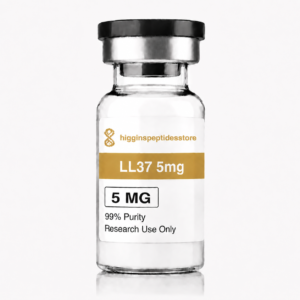
LL-37 Injection 5mg is a peptide-based research product that attracts attention because of its relationship with the human immune system and natural defense mechanisms. LL-37 belongs to a group of compounds known as antimicrobial peptides, which are naturally present in the body and contribute to the first line of immune defense.
Interest in LL-37 continues to grow among researchers who explore immune responses, cellular signaling, tissue biology, and antimicrobial activity. At the same time, it is important to distinguish scientific research from established medical treatment. LL-37 Injection 5mg is not a standard replacement for approved medicines, and its use requires appropriate professional oversight.
What Is LL-37?
LL-37 is a naturally occurring antimicrobial peptide derived from the human cathelicidin protein known as hCAP18. The body produces this peptide as part of its innate immune response. Unlike antibodies, which target specific pathogens, antimicrobial peptides participate in broader defense mechanisms.
Researchers study LL-37 for its interaction with microbial membranes, immune signaling pathways, and different types of cells. Its biological activity makes it an interesting subject in laboratory research involving inflammation, immunity, cellular communication, and tissue-related processes.
The 5mg designation refers to the quantity of peptide contained in the product. It does not automatically indicate a particular medical dose or treatment schedule.
Why Researchers Study LL-37
LL-37 receives attention because of its diverse biological activity. Scientific research examines how this peptide interacts with microorganisms and how it influences immune-related processes.
One major research area involves antimicrobial activity. LL-37 can interact with microbial membranes, which makes it relevant to investigations into natural defense mechanisms.
Another area involves immune signaling. Researchers examine how LL-37 interacts with immune cells and signaling pathways. These studies help researchers understand the complex relationship between antimicrobial peptides and the body's immune response.
LL-37 also attracts interest in cellular and tissue research. Scientists investigate its relationship with cell migration, tissue responses, and other biological processes. These areas remain subjects of ongoing research rather than established therapeutic applications.
Potential Areas of Research
LL-37 research covers several important biological areas.
Antimicrobial Research
Researchers examine LL-37 because of its ability to interact with certain microorganisms. Laboratory studies investigate how antimicrobial peptides behave around microbial membranes and how these interactions contribute to natural defense mechanisms.
Immune Response
LL-37 is also studied in relation to innate immunity. Researchers explore how the peptide communicates with immune cells and contributes to signaling processes involved in the body's response to different biological challenges.
Inflammation Research
Inflammation represents another area of interest. LL-37 can interact with various biological pathways associated with inflammatory responses. Researchers investigate these interactions to better understand how antimicrobial peptides participate in complex immune processes.
Cellular Research
Laboratory research also examines the relationship between LL-37 and cellular activity. Areas of investigation include cell signaling, migration, proliferation, and communication between different biological systems.
LL-37 Injection 5mg and Research Considerations
A 5mg LL-37 product may attract interest among researchers studying peptide biology. However, the concentration or total amount of peptide does not establish safety, effectiveness, or an appropriate administration method.
Peptide products can vary in quality, purity, formulation, storage requirements, and manufacturing standards. For this reason, researchers and healthcare professionals need reliable product information and appropriate laboratory or clinical protocols.
People should not assume that a peptide used in research automatically has an approved medical application. Research findings require careful interpretation, and laboratory observations do not necessarily translate into proven human health benefits.
Safety and Responsible Use
Safety is an important consideration whenever an injectable peptide is involved. LL-37 Injection 5mg should not be treated as an ordinary wellness product. Injectable products require particular attention to sterility, contamination risks, product quality, and handling procedures.
There is also a difference between researching a biological compound and using it as a treatment. Individuals should not self-administer research peptides based on online claims, anecdotal experiences, or unofficial dosage recommendations.
Anyone considering a peptide-related product for a health concern should discuss the situation with a qualified healthcare professional. A professional can help determine whether an approved and clinically supported treatment is more appropriate.
Storage and Product Quality
Proper product handling is another important consideration for peptide research. Storage conditions can affect peptide stability, while improper handling can introduce contamination or degradation.
Researchers should follow the manufacturer's documented storage and handling instructions. Product information should clearly identify the compound, quantity, formulation, batch information, and relevant quality-control details.
Purchasing from reputable sources also matters. Reliable documentation helps researchers evaluate product identity and quality before incorporating a peptide into laboratory work.
What Makes LL-37 Interesting?
LL-37 stands out because it connects several areas of biological research. Its role in innate immunity, antimicrobial activity, immune signaling, and cellular processes makes it a valuable subject for scientific investigation.
Rather than focusing on a single biological pathway, researchers examine how LL-37 interacts with multiple systems. This broad activity creates opportunities for further investigation while also highlighting the complexity of peptide biology.
Ongoing research can provide additional insight into how antimicrobial peptides function and how their biological properties may contribute to future scientific discoveries.
Final Thoughts
LL-37 Injection 5mg represents an interesting peptide for research involving antimicrobial activity, innate immunity, inflammation, and cellular signaling. Its connection to the naturally occurring human cathelicidin system makes it particularly relevant to researchers exploring biological defense mechanisms.
However, research interest does not equal proven medical effectiveness. LL-37 should not be presented as a guaranteed treatment or substitute for approved therapies. Product quality, appropriate handling, scientific evidence, and professional oversight remain important considerations.
As peptide research continues to develop, LL-37 provides researchers with an opportunity to examine the complex relationship between antimicrobial peptides, immune signaling, and cellular biology. Responsible research and careful interpretation of scientific evidence remain essential when evaluating this compound.
Report this wiki page